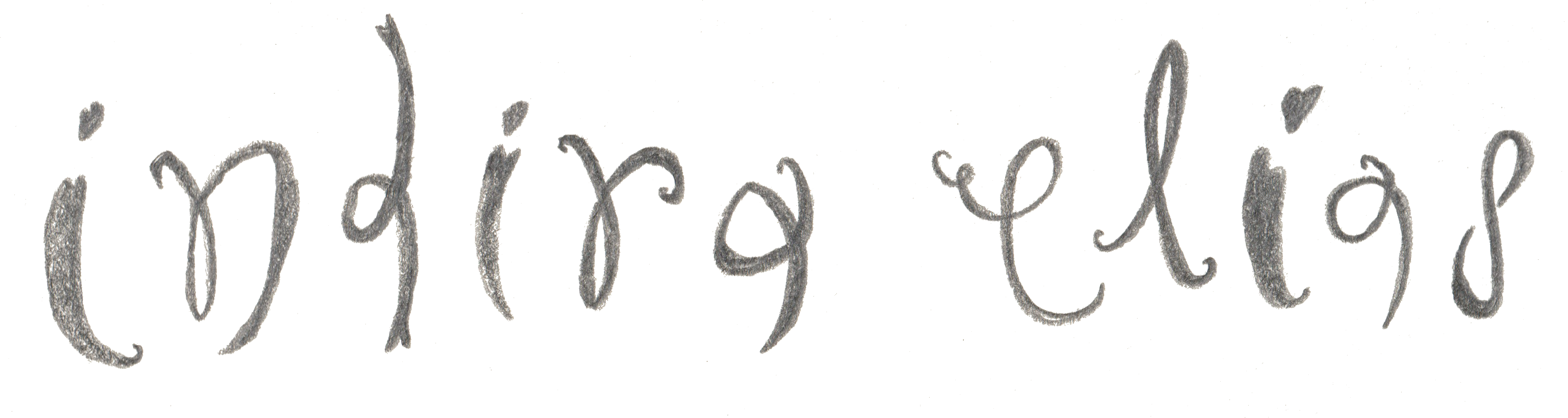
divination of any sort; book, song or sky. a practice of deep listening.
29.08.26
26.08.26
24.08.26
A good part of the people I know are across the sea enjoying the late European summer, and as such it seems I have summoned the stifiling beauty of Rome.
We arrived in Rome about six weeks ago, when it was still the empty, hot notoriously feverish Rome, and this circumstance— together with other practical difficulties of settling in— helped ensure that the unrest around us continued unabated and also that the unfamiliarity lay upon us with the weight of homelessness. Besides, it must also be said that for the first few days Rome (if one doesn’t know the city yet) seems oppressively sad: because of the lifeless and dull museum-like atmosphere it exhales, the profusion of its acts (from which a petty present ekes a living), which are laid out and maintained with great effort, and the remarkable overestimation—promulgated by scholars and critics and emulated by convention-bound travellers in Italy— of all these distorted and tainted things, which are essentially no more than the fortuitous remnants of another time and of a life that is not and should not be ours. Finally, after weeks of daily struggle, you pull yourself together and, though still a little confused, say to yourself: No, there is no more beauty here than anywhere else, and all of these objects, admired from generation to generation, mended and embellished in journeymen’s hands, are meaningless, lack all heart and value— still, there is much beauty here, for there is much beauty everywhere. Ever-alive waters move along the old aqueducts into the great city and dance across white stone bowls in its many squares and spread out in wide spacious basins and murmur by day and raise their murmurs to the night, which is great and starry and soft from all the wind. And there are gardens, unforgettable avenues and staircases, staircases conjured by Michelangelo, stairs modelled after waters gliding downhill— descending expansively, begetting step from step as wave from wave. Through such impressions you pull yourself together, recovering from the demanding abundance and all the talking and chattering (and how talkative it is!), and little by little learn to recognise the few things in which something eternal endures, which you can love, and also something solitary, in which you can quietly take part.
From Letter V of Rainer Maria Rilke’s ‘Letters to a Young Poet’ Translated by Mark Harman
It is a beautiful day today, allow yourself the heavenly spectacle of the present.
We arrived in Rome about six weeks ago, when it was still the empty, hot notoriously feverish Rome, and this circumstance— together with other practical difficulties of settling in— helped ensure that the unrest around us continued unabated and also that the unfamiliarity lay upon us with the weight of homelessness. Besides, it must also be said that for the first few days Rome (if one doesn’t know the city yet) seems oppressively sad: because of the lifeless and dull museum-like atmosphere it exhales, the profusion of its acts (from which a petty present ekes a living), which are laid out and maintained with great effort, and the remarkable overestimation—promulgated by scholars and critics and emulated by convention-bound travellers in Italy— of all these distorted and tainted things, which are essentially no more than the fortuitous remnants of another time and of a life that is not and should not be ours. Finally, after weeks of daily struggle, you pull yourself together and, though still a little confused, say to yourself: No, there is no more beauty here than anywhere else, and all of these objects, admired from generation to generation, mended and embellished in journeymen’s hands, are meaningless, lack all heart and value— still, there is much beauty here, for there is much beauty everywhere. Ever-alive waters move along the old aqueducts into the great city and dance across white stone bowls in its many squares and spread out in wide spacious basins and murmur by day and raise their murmurs to the night, which is great and starry and soft from all the wind. And there are gardens, unforgettable avenues and staircases, staircases conjured by Michelangelo, stairs modelled after waters gliding downhill— descending expansively, begetting step from step as wave from wave. Through such impressions you pull yourself together, recovering from the demanding abundance and all the talking and chattering (and how talkative it is!), and little by little learn to recognise the few things in which something eternal endures, which you can love, and also something solitary, in which you can quietly take part.
From Letter V of Rainer Maria Rilke’s ‘Letters to a Young Poet’ Translated by Mark Harman
It is a beautiful day today, allow yourself the heavenly spectacle of the present.
23.08.26
It feels right to begin, as I so often have done, with an Emily Dickinson poem.
The Wind took up the Northern Things
And piled them in the south —
Then gave the East unto the West
And opening his mouth
The four Divisions of the Earth
Did make as to devour
While everything to corners slunk
Behind the awful power —
The Wind — unto his Chambers went
And nature ventured out —
Her subjects scattered into place
Her systems ranged about
Again the smoke from Dwellings rose
The Day abroad was heard —
How intimate, a Tempest past
The Transport of the Bird —
Poem 1134 from ‘Emily Dickinson – The Complete Poems’ Edited by Thomas H. Johnson
Today the wind is empire, the wind is greed, the wind is the human desire to conquer, control. Piling northern problems in the global south, pillaging the east to fill the banks and museums of the west, plunging all the world into darkness. When Dickinson writes about nature and self, she cracks the universal secret that we are all reflections of inner and outer. Just as the wind dies down, this system will dissipate. Morning will come and it will be time again to cook your eggs and make your toast and start over.
The Wind took up the Northern Things
And piled them in the south —
Then gave the East unto the West
And opening his mouth
The four Divisions of the Earth
Did make as to devour
While everything to corners slunk
Behind the awful power —
The Wind — unto his Chambers went
And nature ventured out —
Her subjects scattered into place
Her systems ranged about
Again the smoke from Dwellings rose
The Day abroad was heard —
How intimate, a Tempest past
The Transport of the Bird —
Poem 1134 from ‘Emily Dickinson – The Complete Poems’ Edited by Thomas H. Johnson
Today the wind is empire, the wind is greed, the wind is the human desire to conquer, control. Piling northern problems in the global south, pillaging the east to fill the banks and museums of the west, plunging all the world into darkness. When Dickinson writes about nature and self, she cracks the universal secret that we are all reflections of inner and outer. Just as the wind dies down, this system will dissipate. Morning will come and it will be time again to cook your eggs and make your toast and start over.